What counts as a warning sign
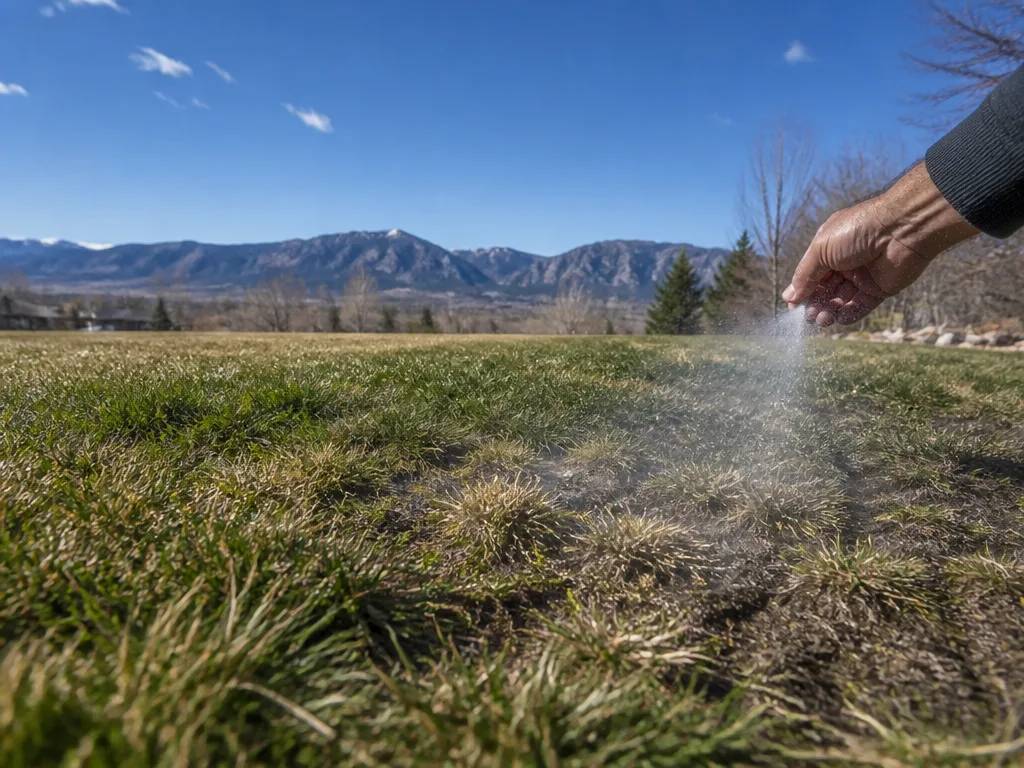
Across Colorado, a healthy lawn should feel dense underfoot, with blades that stay green through the growing season. When you notice patches that turn yellow, brown, or purple, it’s often a sign something isn’t quite right. Uniform color and even growth are what we expect from a well cared-for lawn. If you see blades turning pale or footprints showing up after a light walk, those are worth a closer look.
Colorado crews see a lot of environments inside a single state. Sun exposure, soil moisture, and temperature swings can affect turf differently from one hillside to another. A single sunny patch that browns in midsummer or a patch that stays waterlogged after a rain can point to drainage or soil health issues.
Root and soil cues matter too. If you tug on a blade and it lifts easily, or the soil sits wet for days after a rain, those are signals that the lawn is under stress. A lawn care specialist can assess soil compaction, thatch buildup, and irrigation balance to determine the right next steps.
Common culprits you might notice
Stressed lawns in Colorado often show recurring patterns. Areas with poor drainage can stay damp, inviting fungal growth or thin, patchy areas. Excess heat and drought can dry out turf, leading to crisp edges and a general thinning of the canopy. Soil that is compacted from foot traffic or heavy equipment can choke roots and slow recovery after mowing or weather events.
Weather shifts across Colorado put pressure on lawns. Late-spring warm spells followed by cool stretches or sudden rainfall can create a mixed environment that favors some problems over others. A lawn care specialist will look at irrigation timing, mowing height, and soil conditions to tailor a plan that helps your turf rebound.
What to do when you notice a warning sign
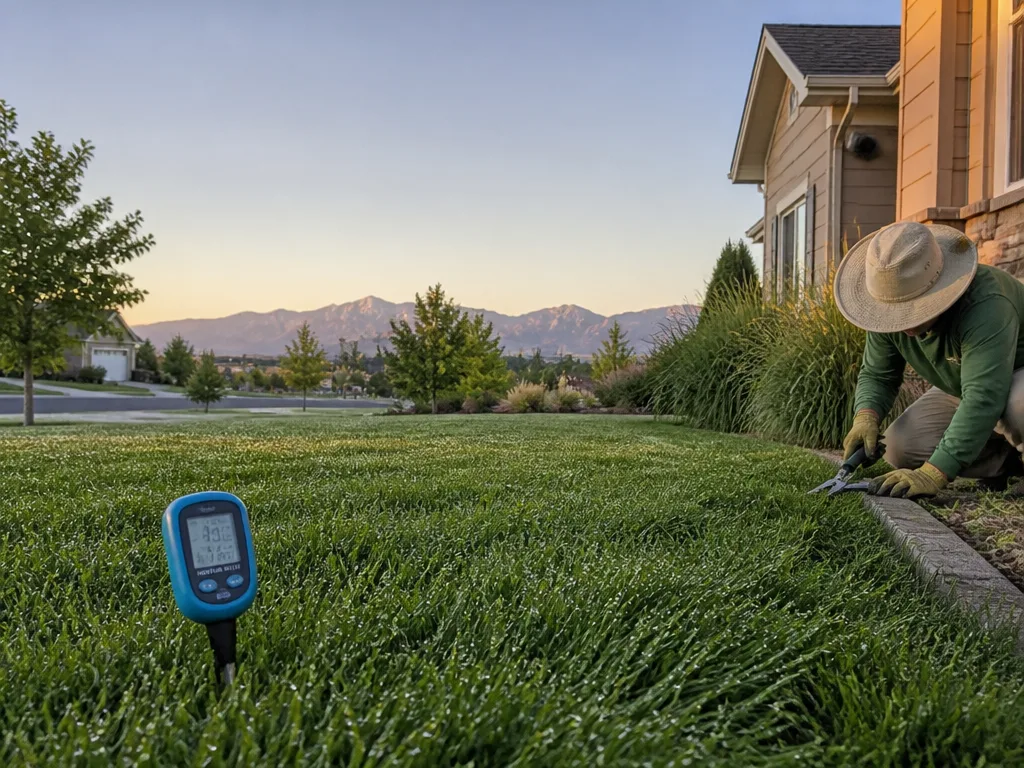
Take notes on where you see the issue, when it started, and what you’ve done so far. Do a simple check after a rain: is the soil soggy or is it dry to the touch at two inches below the surface? Record any changes in color, texture, or growth pace. These details help a lawn care specialist evaluate quickly and precisely.
Colorado Tree Care Experts recommends a balanced approach. Begin with an even mowing height and ensure blades stay sharp. Too-frequent mowing can stress turf; too little mowing can let weeds gain a foothold. Check irrigation zones for leaks or uneven coverage. If you’ve tried these basics and the area remains off color or patchy, it’s time to involve a lawn care specialist for a closer diagnosis and plan.
What to expect from a professional assessment
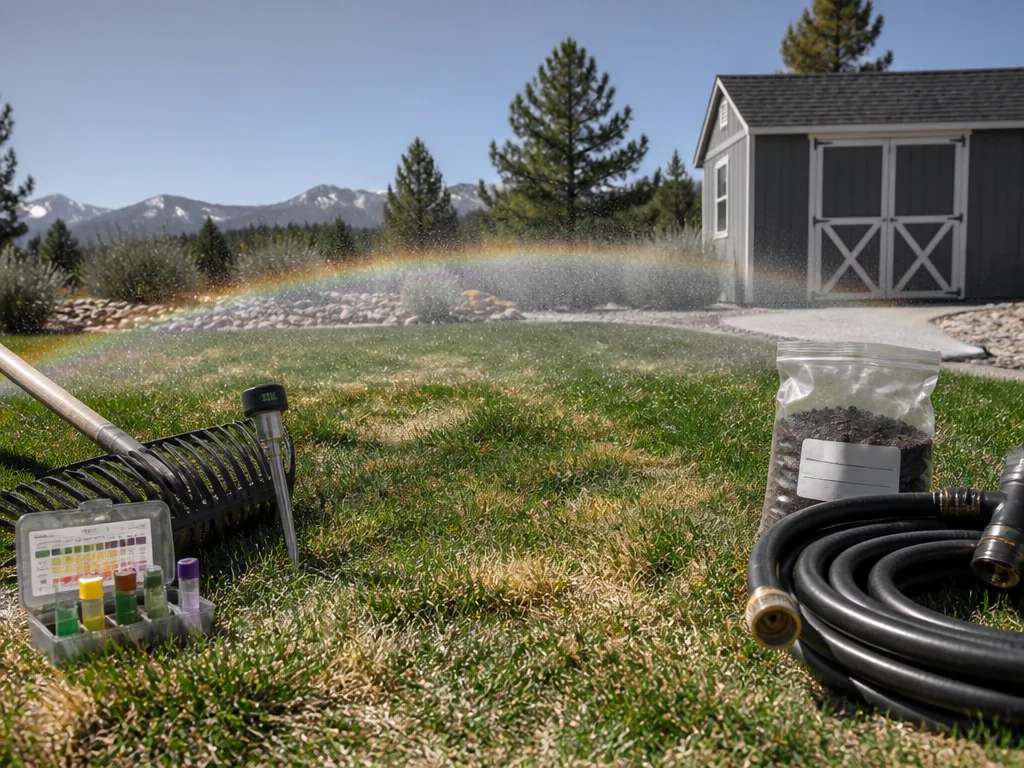
A lawn care specialist will look at soil health, moisture, and root vigor. Expect a quick walk around the property to identify hotspots, followed by soil sampling if needed. The goal is to understand the root cause, not just treat the symptom. In Colorado, issues like drainage and compacted soil are common, so the plan often includes adjusting irrigation, aeration, and overseeding where appropriate.
Working with Colorado crews means you get guidance tailored to statewide conditions. We stay practical: simple maintenance tweaks, seasonal adjustments, and a clear plan you can follow. The aim is steady improvement, not a one-off fix.
Quick checklist you can use now
- Inspect for yellowing patches and note their location.
- Check mowing height and blade sharpness at every session.
- Observe soil moisture after a rain; identify soggy vs dry zones.
- Walk the lawn after sunset to spot creeping issues like fungi or slowdown in growth.
If you’re unsure about what you’re seeing, a free phone consultation with Colorado Tree Care Experts can help you decide if a visit is needed. We’ll talk through what you’re observing and outline the next steps in plain terms, with no pressure and no promises beyond a clear plan.